Saren Craig
M.A.Counseling & guidance
Licensed Professional Counselor, Oregon
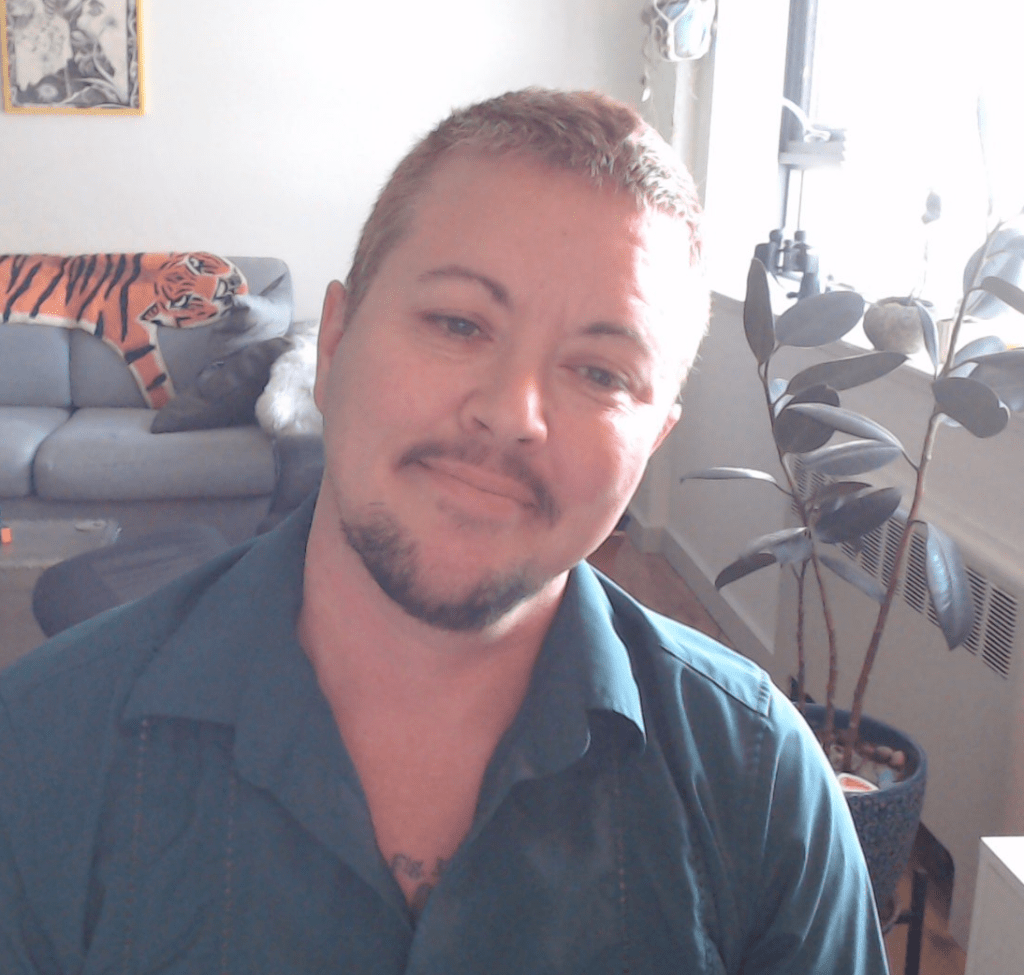
Contact me at saren@resonanceportland.com to set up a free consultation.
I offer a sliding scale fee schedule for those who can commit to weekly sessions.
Out of pocket fee
I believe therapy should be accessible, and I also need to run a sustainable practice. This sliding scale isn’t based on income alone — it’s based on your overall financial capacity, including savings, debt, housing stability, and how much room you have for unexpected costs. Read through the four descriptions below and choose the one that best reflects where you currently stand.

I keep a limited number of spots open at each fee level, so availability may vary. If a tier is full, I’ll let you know and can offer a waitlist or check back in with you.
Bottle 1 — $190 / session
This fits you if you meet your basic needs without thinking about them (food, housing, bills, transportation, and health insurance), own your home or rent in a higher-end market, are employed, self-employed, or don’t need to work, and have enough savings and disposable income that this rate fits comfortably into your month. Choosing this tier helps keep care affordable for everyone further down the scale.
Bottle 2 — $150 / session
This fits you if you comfortably meet your basic needs (food, housing, bills, transportation, and health insurance), own your home or rent a higher-end property, are employed or don’t need to work, and have savings and disposable income — the kind that lets you dine out, travel, or take time off without financial strain.
Bottle 3 — $130 / session
This fits you if you meet your basic needs without much strain, own a car and a home or rent comfortably, are employed or self-employed with some savings, and can take an annual vacation without financial burden.
Bottle 4 — $100 / session
This fits you if you generally meet your basic needs but it takes some effort, you may carry some debt, you’re employed or self-employed (possibly part-time), your savings are limited, and things like an annual vacation or covering a car’s registration and insurance require active saving.
Bottle 5 — $70 / session
This fits you if you frequently feel stress around meeting basic needs, debt sometimes gets in the way, your housing is lower-cost or less stable, you may not have reliable transportation, and you have little to no disposable income or savings.
If none of these quite fits — for example, if your circumstances have changed recently, or you fall between two descriptions — reach out and we can figure out the right fee together.
I provide letters of support for gender affirming surgery @ $130 and update them without charging. I will keep providing this service in accordance with the best healthcare guidance for trans folks (WPATH) as long as the letter is needed for surgery.
Request a consultation by checking my availability on the calendar below.
My fax number is 503-296-2833
My phone number is (503) 489-8188, but the quickest way to reach me is by email—or by scheduling a consultation below.
I am deeply committed to advocacy around social justice issues, particularly focusing on the experiences of oppression faced by LGBTQ+ and BIPOC communities in the context of mental health. I love the empowering and collaborative work I do with clients.
My commitment to social justice involves actively seeking ways to engage in reducing oppression through systemic change and increased awareness, which I believe fosters healthier communities.
With experience in various settings such as inpatient psychiatric hospitals, community mental health, case management, and supported housing, I have acquired a diverse set of skills and resources. These experiences have taught me how external systemic factors can influence internal struggles.
Understanding the power dynamics within the counseling relationship, I strive to empower my clients. I often explore the parts of ourselves that needed something along our life journey but may not have received affirmation. These younger parts require compassion and understanding to heal.
I treat each person with warmth, dignity, and respect, while maintaining the professional boundaries essential to the counseling relationship. My approach in sessions is both interactive and direct.
I draw from a broad theoretical background and approach care with a systemic lens. Recognizing that each individual’s growth process is unique, I encourage clients to explore and express their experiences learning new approaches to manage their mental health.
Most routes to gender-affirming care in the U.S. run through a DSM diagnosis of Gender Dysphoria (F64.0). That diagnosis documents distress—the harm created by incongruence and by social conditions that fail to recognize someone’s gender—not a disorder of identity. Being transgender is an identity, not a pathology, and access to medically necessary care shouldn’t require treating it as one. And yet: we live in this system. When a Gender Dysphoria diagnosis is required for insurance authorization or surgical access, I include it—because if that pathway is what it takes to access care that alleviates dysphoria and improves quality of life, we use it. A disability justice lens helps hold this tension: diagnostic categories are socially loaded and imperfect, but they remain one of the primary mechanisms through which people access care, accommodations, and resources in a gatekept system. Using diagnostic language strategically to access medically necessary care is warranted advocacy.
In counseling, our conversations are private, but there are certain situations where I am legally required to break confidentiality. These include if I believe you may harm yourself or someone else and have a specific plan, if there is any disclosure of abuse or neglect involving a child, elderly, or dependent adult, if I’m issued a court subpoena, or if I need to defend myself against a complaint made by you to the licensing board. Please feel free to ask any questions about this.
I am outraged by the immense harm being inflicted on minoritized communities in this moment in history—particularly immigrant communities and the transgender community, which I am part of. I refuse to treat this as normal, acceptable, or debatable when people’s safety, dignity, and basic rights are being deliberately targeted. During this time, I will do everything in my power to protect my clients, safeguard their confidentiality, and uphold my moral duty to help prevent harm—to themself or to others.

Image artist: Daniel Quasar, Portland Oregon
If you are currently in a crisis call 988
Text ‘START’ to 678-678 for help from the Trevor Project or Call them at 1-866-488-7386

